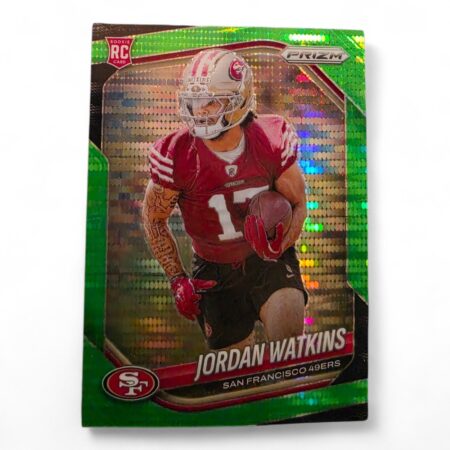
The sports card market has undergone a dramatic metamorphosis over the last six years. The chaotic, “wild west” gold rush of the 2020–2022 pandemic era—where nearly every base rookie card felt like a lottery ticket—is firmly in the rearview mirror. Today, the hobby is defined by a more mature, calculated, and consolidated landscape.
For both seasoned collectors and casual investors, navigating the modern card market requires a new playbook. Here is a look at where the industry stands today and where it is heading in the near future.
The Current Landscape: A Maturing Market
The overarching theme of the current market is quality over quantity. The frenzy that led to the “junk slab era”—where millions of low-value base cards were sent off for grading—has been replaced by a demand for genuine scarcity.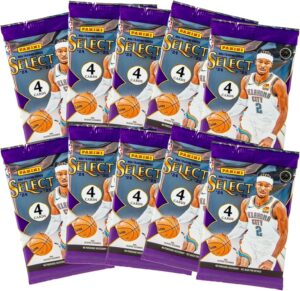
* The Fanatics Monopoly: The biggest structural shift in the hobby has been Fanatics’ aggressive takeover of the industry. By acquiring Topps and securing exclusive licensing deals across MLB, NBA, and the NFL, Fanatics has essentially unified the major sports under one massive corporate umbrella. This has streamlined product releases but also raised concerns among traditionalists about the lack of competition and rising wax (unopened box) prices.
* The Correction of Ultra-Modern: The market for ultra-modern cards (2018–present) has heavily corrected. High-population base PSA 10 rookies that once sold for hundreds of dollars are now fractionally priced. Instead, serious money is flowing almost exclusively into low-numbered parallels, game-used patches, on-card autographs, and true short prints (like Panini’s Downtowns or Topps’ variations).
* The Live-Breaking Economy: The way sealed product is consumed has permanently changed. Platforms like Whatnot and Fanatics Live dominate the ecosystem. Many collectors no longer buy whole boxes; instead, they buy into live “breaks” (purchasing a specific team or player slot before a box is opened on camera). This gamification has kept wax prices high, even as the secondary market for the individual cards inside has cooled.
* Blue-Chip Vintage Stability: While the modern market rides the rollercoaster of player performance and hype, vintage cards (pre-1980) and iconic “blue-chip” modern cards (e.g., LeBron James rookies, Michael Jordan inserts, Tom Brady Bowman Chromes) have proven highly resilient. They are increasingly treated as legitimate alternative asset classes by wealth managers.
Predictions for the Future of the Hobby
As we look toward the end of the decade, technology and global expansion will dictate the next great leap for the sports card industry.
* AI and Objective Grading
The subjective nature of human grading—where a card might get a 9 on a Tuesday but a 10 on a Friday—will soon be obsolete. Companies like PSA and CGC are heavily investing in computer vision and artificial intelligence. Expect high-end AI grading to become the industry standard, providing detailed heat maps of centering, edge wear, and surface scratches to justify a card’s final grade.
* Direct-to-Consumer Dominance
As Fanatics tightens its grip, the traditional distribution model (from manufacturer to distributor to local hobby shop) will continue to erode. Expect a heavy shift toward direct-to-consumer drops, exclusive online lotteries, and “build-on-demand” products, making it tougher for brick-and-mortar stores to survive solely on selling sealed boxes.
* Digital Integration and “Phygital” Assets
While the NFT boo m busted, the underlying technology will find a practical home in physical cards. We will see more cards minted with NFC chips or secure QR codes that link physical cardboard to a digital ledger. This will instantly authenticate cards, track their complete ownership history, and allow them to be used in digital fantasy games or interactive online ecosystems.
* The Rise of Global and Emerging Markets
American football and baseball will always have their strongholds, but the highest growth potential lies elsewhere. The market for women’s sports—particularly the WNBA—is experiencing an explosive, sustained boom. Additionally, global sports like soccer (European leagues and the World Cup) and Formula 1 will continue to pull international money into the hobby, diversifying the collector base far beyond North America.
The Bottom Line
The sports card market today is healthier and more rational than it was during the pandemic bubble. It is less of a “get-rich-quick” scheme and more of a sophisticated collector-investor hybrid space. Those who focus on true scarcity, iconic players, and long-term holds will continue to find value, while those chasing every new rookie hype train may find themselves left holding the bag.